

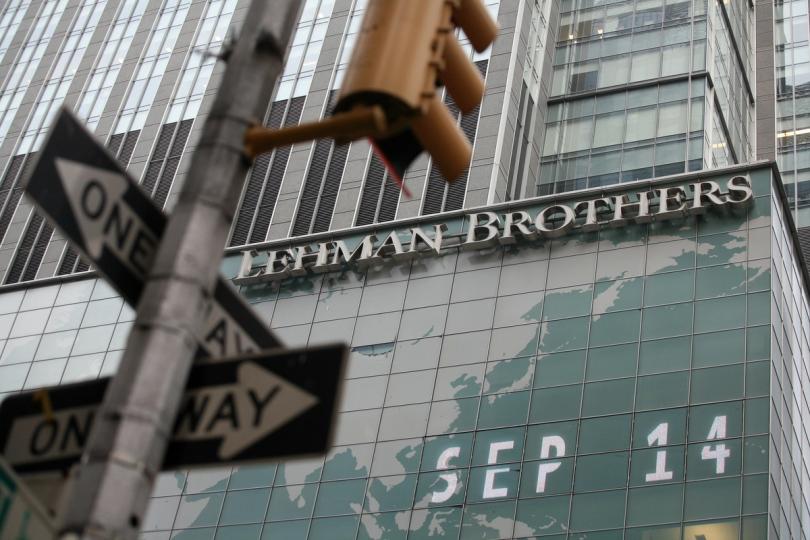


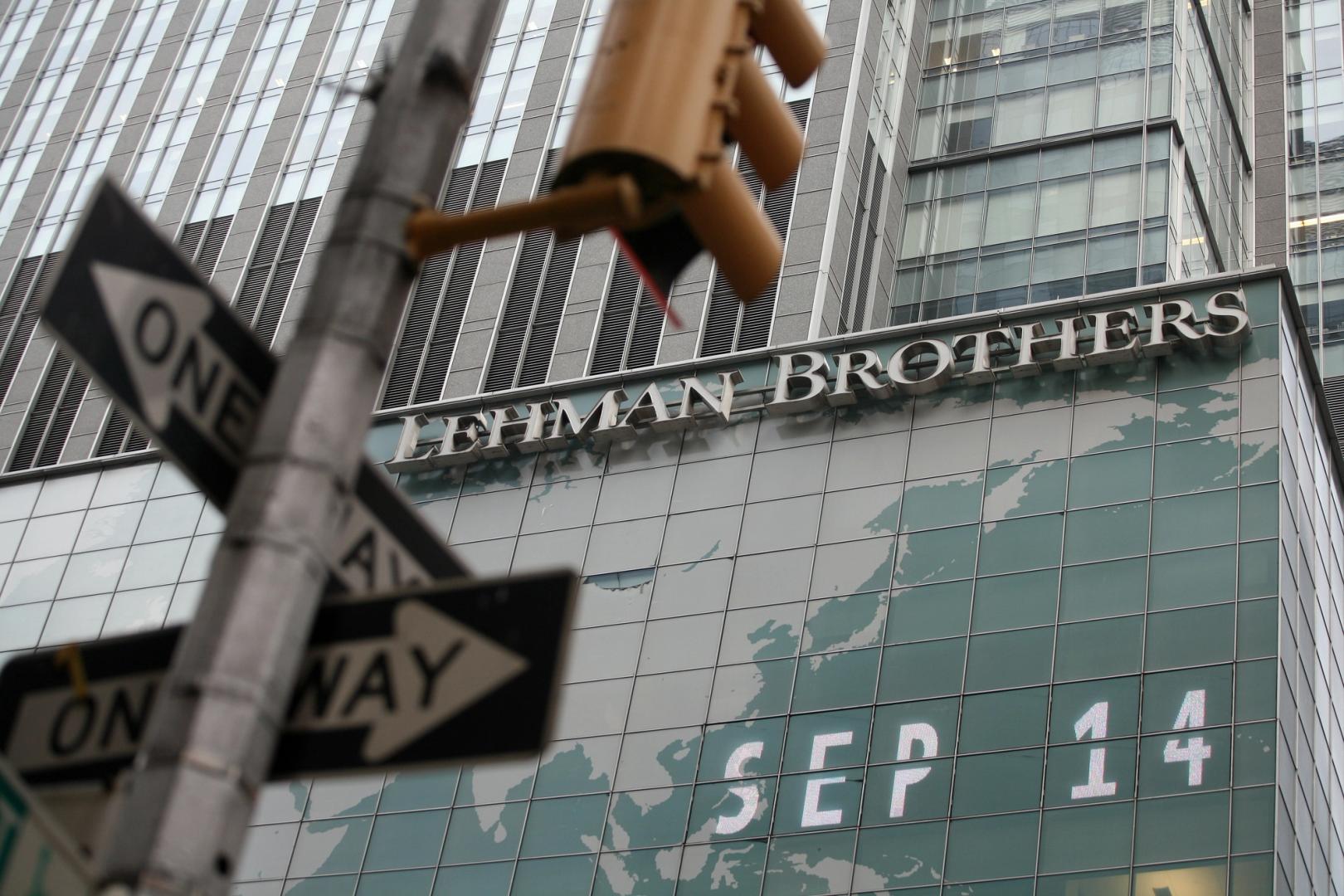
Cryptocurrency began in part as an answer to the missteps and abuses of banks during the 2008 financial crisis, but despite existing almost two decades and capturing wide attention, the public hasn’t been sold on that point and still favors the traditional financial system for their financial access, according to new polling commissioned by CoinDesk.
When asked which they trusted more between banks and crypto when it came to financial inclusion, 65% of respondents to an online survey said banks and only 5% favored crypto. Though slightly more than half (52%) agree that the movement is more than a passing fad, 60% think crypto will be a mostly negative force in the economy.
That’s according to 1,000 randomly selected U.S. voters surveyed last week by research firm Public Opinion Strategies. The survey is meant to get a snapshot of public sentiment as crypto and artificial intelligence issues wind their way through Congress, federal regulators and the political campaigns that are steaming toward this year’s congressional midterm elections.
This article is part of a CoinDesk series on voters’ views for the 2026 midterm election.
The sense that banks are safer than crypto comes at a delicate time for the industry, when its lobbyists have been fighting with the bank industry over the crypto sector’s most important policy hope: the Senate’s Digital Asset Market Clarity Act. Banks have argued that stablecoin rewards could compete directly with their own interest-bearing deposit accounts and threaten a migration that could strangle U.S. lending. So far, their argument stalled the Clarity Act for months, though the latest signs suggest the bill may start moving again in the coming days.
Despite some public distrust, crypto has come a long way in a short time to insert itself into the financial life and culture of the U.S. About one in four people say they’ve invested in crypto (27%), though most of them got in at least a few years ago and only 2% say they have more than $10,000 in digital assets.
Whatever information the public is consuming about the industry doesn’t seem to be helping lift their view, with more than half (53%) getting a less favorable impression of the industry in recent news coverage. When they think about crypto, those who like it gravitate most toward the concept of its profitability while those who distrust it focus on the scams associated with the sector.
About 46% of people don’t have anything to do with crypto and say they don’t want to, though that leaves 27% who haven’t yet invested and say they might be open to it. The negative views are most likely to be held by people older than 45, with a sharp rise in distrust the older they get. Males, Republicans and minority groups share the most consistent affinity for crypto, according to the data.
The AI question
Like crypto, AI also gets a heap of distrust from older respondents, though younger people’s views are pretty mixed.
Overall, 55% think the risks of AI technology outweigh its benefits. But the younger demographics, males and Republicans are all a bit more likely to support the advances, as they do in digital assets. And owners of crypto are also much more likely to support the benefits of AI, with 64% saying its pursuit is worth the risks.
While the corporate U.S. has embraced the use of AI in almost all aspects of their business, the new data on public perceptions reveals the negative perception gap that emerging technologies may need to overcome for mass acceptance. The crypto industry has pinned hopes on its eventual inclusion in the U.S. system of financial regulation to lend it wider acceptance and give more comfort to holdouts who worry about its oversight. But that process depends on a sharply divided Congress and the sedate timeline of federal regulators like the Securities and Exchange Commission.
Still, key regulators appointed by crypto-cheering President Donald Trump have pledged to move as quickly as possible to bring digital assets into the mainstream. And key senators have suggested the Clarity Act will finally get the hearing it needs in May, keeping it potentially viable for 2026 passage.
CoinDesk will release data from this survey on Tuesday at Consensus Miami.
Digital Currency Market Dynamics:#Americans #prefer #banks #crypto #financial #access #CoinDesks #survey #shows
