

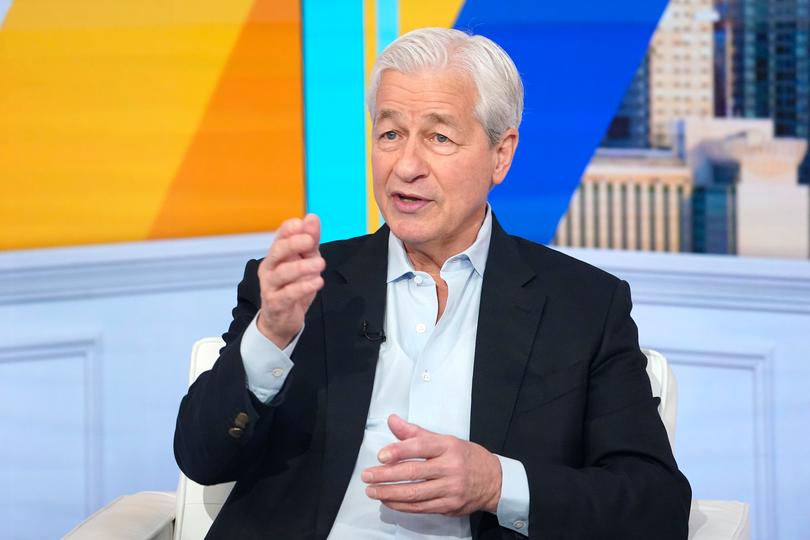


JPMorgan (JPM) CEO Jamie Dimon said the bank must move faster to keep up with blockchain-based competitors as tokenization reshapes parts of the financial system, according to his annual letter to shareholders.
“A whole new set of competitors is emerging based on blockchain, which includes stablecoins, smart contracts and other forms of tokenization,” Dimon wrote, framing the technology as a direct challenge to traditional banking models.
He added that these technologies, alongside fintech firms, “may change the fundamental nature of how all this is done,” referring to core banking functions such as payments, trading and asset management.
Dimon’s response is not to dismiss the shift but to accelerate JPMorgan’s own efforts. “We need to roll out our own blockchain technology and continually focus on what our customers want,” he said.
The comments come as tokenization—turning assets such as money market funds, bonds or real estate into blockchain-based tokens—has become a central focus for both crypto firms and large financial institutions.
Major players, including BlackRock, Franklin Templeton and Goldman Sachs, have launched or tested tokenized funds in the past year. Crypto-native firms are also pushing into the space, offering blockchain-based versions of traditional financial products that run continuously and settle almost instantly.
JPMorgan has spent years building blockchain infrastructure through its Onyx unit, now branded Kinexys, with products designed to mirror core banking functions on new rails. Its flagship JPM Coin is a bank-issued stablecoin that enables institutional clients to move money instantly, replacing slower internal transfers. The bank has also pushed into tokenization of traditional assets, running pilots that turn instruments like government bonds and money market funds into blockchain-based tokens that can be transferred and used as collateral in near real time.
Dimon said the shift to blockchain-based versions of traditional products raises pressure on banks. Faster settlement can reduce fees tied to payments and trading, while tokenized systems can allow assets to move directly between users. Stablecoins, which act as digital dollars, also present a potential alternative to bank deposits.
Dimon did not endorse crypto assets like bitcoin in the letter, focusing instead on the underlying infrastructure and its impact on competition. He noted that clients are increasingly seeking guidance on areas such as “digital assets,” signaling growing institutional interest even as the bank remains cautious.
Beyond technology, Dimon struck a cautious tone on the economy. He warned that geopolitical tensions, including conflicts in the Middle East, could drive “significant ongoing oil and commodity price shocks” and lead to “stickier inflation and ultimately higher interest rates than markets currently expect.”
He also pointed to high asset prices and global debt levels as risks, suggesting markets may be underestimating potential volatility.
Still, the letter makes clear that emerging financial infrastructure—not just macro conditions—is shaping JPMorgan’s strategy. As tokenization gains traction, Dimon signaled that the bank sees the shift as structural, not cyclical.
Cryptocurrency Market Dynamics:#Jamie #Dimon #JPMorgan #move #faster #tokenization #reshapes #finance
